Emergency gardeners Highgate same day tree and hedge clearance
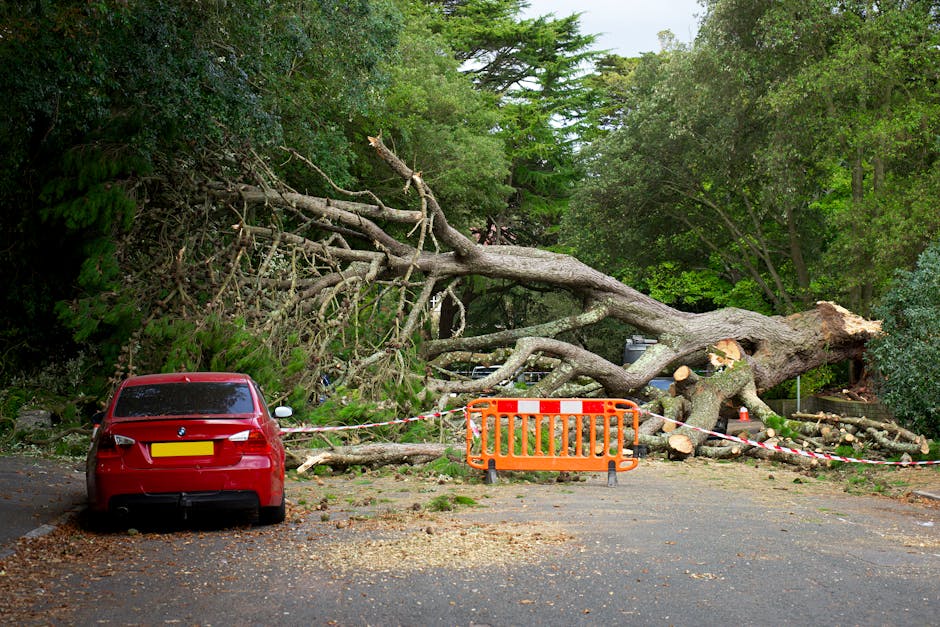
If a storm has snapped branches across the path, a hedge has collapsed into the drive, or a tree is blocking light and access, you do not want to wait around. You need practical help now. That is exactly where Emergency gardeners Highgate same day tree and hedge clearance becomes valuable: fast, careful clearance that restores safety, protects your garden, and gets daily life moving again. In Highgate, where many gardens are compact, leafy, and close to neighbours, delays can turn a manageable problem into a real nuisance. This guide explains what same-day emergency clearance involves, when to call for it, how the work is handled, and what to expect from a reliable team.
It is written for homeowners, landlords, tenants, and anyone dealing with an urgent outdoor problem. You will also find a checklist, a comparison table, and straight answers to common questions, because in a rush, clarity matters.
Why Emergency gardeners Highgate same day tree and hedge clearance Matters
Emergency garden clearance is not just about tidying up. It is about reducing immediate risk. A fallen limb can block a gate, damage fencing, scrape a car, or create a trip hazard. A hedge that has slumped after heavy rain can smother a walkway or push into a neighbour's boundary. A tree with split branches may look stable from a distance but still shed debris in the next gust. You do not need drama here, just calm action.
Highgate gardens often sit close to walls, paths, and neighbouring properties, so even a modest collapse can have outsized consequences. Same-day help matters because the first 24 hours after damage are usually when the garden is most vulnerable to further breakage, wet rot, and accidental injury. In some cases, clearing access quickly also helps emergency vehicles, utility engineers, or insurers assess the site without delay.
There is also a less obvious benefit: peace of mind. A messy, unstable garden can feel surprisingly stressful. You glance at it, then glance again. You hear the wind, and you wonder if that next branch is the one that gives way. Getting the area made safe quickly can feel like a weight lifting off your shoulders.
If the problem began with hedge overgrowth rather than storm damage, it may also help to read about hedge trimming in Highgate and the wider advice in technique-led hedge care. And if your garden has become tangled over time, starting a garden makeover can be a useful longer-term next step once the urgent mess is gone.
How Emergency gardeners Highgate same day tree and hedge clearance Works
Same-day clearance usually begins with a quick description of the issue: what fell, what is blocked, whether there is obvious danger, and whether access is limited. A good gardener or tree team will then judge urgency, equipment needs, and whether the job is straightforward clearance or something that needs more specialist attention. That distinction matters. Clearing debris is one thing; making an unstable tree safe is another.
On arrival, the team will normally assess the site first. They look for overhead hazards, loose branches, hidden strain on trunks, slippery ground, and anything that might worsen during cutting. In a small Highgate garden, they also think about how to move material out without scuffing paving, damaging lawns, or crushing bedding areas. It sounds simple, but it is where experience shows.
Then comes the actual clearance. This may include cutting back broken hedge sections, removing fallen timber, pruning unstable limbs, reducing overhanging growth, and loading green waste for removal. If a hedge has only partially failed, it may be cut back to a safer line rather than removed entirely. If a tree is still live but damaged, the aim is often to stabilise and reduce risk first, then advise on follow-up surgery later.
For readers who want the broader service picture, the website's tree surgery service, general gardening services, and garden maintenance support pages show how emergency work often sits alongside routine care. That mix is important. The best emergency response does not just clear the problem; it also helps prevent the same issue returning next month.
A note on urgent vs. non-urgent work
Not every overgrown hedge needs an emergency visit. If the branch is annoying but stable, or the hedge is merely out of shape, scheduled work is usually the smarter choice. Emergency clearance is for safety, access, or time-sensitive problems. A useful rule of thumb? If you would be uncomfortable letting children, pets, delivery drivers, or neighbours near the area, it is worth treating seriously.
Key Benefits and Practical Advantages
The obvious benefit is speed. Same-day response helps you restore access and reduce the chances of further damage. But there are other advantages people often overlook.
- Safer movement around the property: blocked paths, broken branches, and hanging hedge sections can be removed before they cause an accident.
- Less secondary damage: a compromised limb can rub against windows, fences, rooflines, or decking. Clearing it promptly can stop a small issue becoming an expensive one.
- Cleaner boundary lines: in shared or narrow spaces, fast hedge clearance can reduce friction with neighbours and improve visibility at gates and entrances.
- Better decision-making: once debris is out of the way, it is easier to see whether the tree or hedge needs pruning, reduction, stump work, or longer-term replacement.
- Lower stress: truth be told, there is something very reassuring about hearing the last pile of branches being loaded away. The garden feels usable again.
There is also a design benefit. Sometimes emergency clearance reveals the bones of the garden again. You may find a lost path, a seating area, or even a hedge line that had become so overgrown it was swallowing the space. If that happens, ideas from serene garden design or garden seating area planning can help you rework the space once the urgent job is complete.
Who This Is For and When It Makes Sense
This service suits anyone facing an urgent, messy, or risky garden situation. In practice, that often means:
- homeowners with storm damage after wind or heavy rain
- landlords preparing a property quickly between tenancies
- tenants who need to restore safe access and report a problem fast
- older residents who cannot safely deal with heavy cutting or lifting
- families with children or dogs using the garden daily
- businesses or communal properties where access must stay clear
It also makes sense when the problem is not dramatic, but time-sensitive. For example, a hedge may be leaning into a neighbour's drive before the weekend, or a tree branch may be scraping a conservatory roof each time the wind rises. You do not always need a full-scale response, but you do need one that is prompt.
In our experience, people often wait too long because the garden "isn't that bad yet." Then one wet evening arrives, and it suddenly is bad. That is usually when the call comes in. No judgement, by the way. Gardens can turn quickly in UK weather, especially after a windy spell.
If wind is part of the story, the article on dealing with garden wind stress and the practical guidance on severe-weather resilience are worth a look later on. They help you think beyond the immediate clean-up.
Step-by-Step Guidance
- Make the area safe from a distance. Keep people, pets, and vehicles away from the affected spot. If anything is hanging overhead, do not walk under it. Seems obvious, but people do.
- Take a few photos. Before anything is moved, record the damage. This can be useful for your own notes, a landlord, or an insurance claim if one follows.
- Describe the issue clearly. Mention what happened, when it happened, whether access is blocked, and whether there are fences, cables, sheds, or glass nearby.
- Ask what can be handled same day. Some jobs need immediate clearance only. Others may require follow-up pruning, reductions, or a separate tree surgery visit.
- Confirm waste removal. Ask whether green waste is being taken away or left in manageable piles. You do not want a "fixed" garden that still looks like a lumber yard.
- Check access and parking. In Highgate, access can be the deciding factor. Narrow side passages, front steps, and resident parking all affect the speed of the job.
- Walk the site after work is complete. Look for leftover twigs, low stubs, sharp debris, or anything that could still be a hazard. A good team will be happy to do a final sweep.
One practical detail: if the work has exposed more of the garden than you expected, you may want to follow it with lawn or path care. The pages on lawn mowing and patio cleaning can be useful once the emergency has passed and you are restoring the whole space, not just the damaged corner.
Expert Tips for Better Results
Good emergency clearance is fast, but it is also thoughtful. Rushing is not the goal. Reducing risk is.
1. Start with the unstable material first
It is tempting to clear the obvious pile of branches on the ground and leave the awkward hanging piece for later. Better teams do the opposite. The unstable bit is the real risk. Once that is controlled, the rest is usually simpler.
2. Work with the grain of the garden
In tighter spaces, the route for carrying waste matters almost as much as the cutting itself. Moving debris through flowerbeds, soft lawns, or narrow gates can create avoidable damage. A careful route saves time in the end. Funny how that works.
3. Reduce rather than remove where sensible
Not every hedge or tree needs to be taken back to nothing. Sometimes a staged reduction preserves privacy and structure while still restoring safety. That is especially useful in Highgate gardens where screening matters as much as appearance.
4. Keep an eye on regrowth points
If a hedge has been cut hard after storm damage, the remaining growth points should still allow recovery. A skilled gardener will not just slice and hope. They will consider shape, density, and future regrowth. If you are interested in that longer view, privacy-focused hedge planning is a helpful companion read.
5. Plan the next maintenance window
Emergency clearance should ideally lead to a calmer, more routine schedule. A one-off crisis can become a pattern if the garden is never revisited. A small seasonal check-up is often enough to prevent repeat calls.
Expert summary: The best same-day tree and hedge clearance is not just about speed. It is about removing danger, protecting the rest of the garden, and leaving you with a clear plan for what happens next.
Common Mistakes to Avoid
People make understandable mistakes when they are stressed and staring at a damaged garden. Still, a few are worth avoiding.
- Trying to cut unstable branches yourself: if something is under tension or partly split, it can move in unexpected ways. That is where injuries happen.
- Ignoring hidden damage: a hedge may look trimmed once the visible mess is gone, but roots, stems, or trunks may still be compromised.
- Assuming all tree work is the same: emergency clearance, routine hedge trimming, and full tree surgery are not interchangeable tasks.
- Forgetting neighbours: in a boundary-heavy area, debris, access, and noise need some tact. A quick heads-up can save awkwardness later.
- Leaving waste piled up: wet green waste gets heavier, smells a bit, and can attract pests if left too long. Better to have it removed properly.
Another subtle mistake is doing the bare minimum and calling it done. If the same branch or hedge section is likely to fail again next month, you have only postponed the problem. Sometimes that is necessary, to be fair. But it should be a conscious choice, not an accident.
Tools, Resources and Recommendations
Emergency clearance teams usually rely on professional-grade tools chosen for speed, control, and safety. The exact kit depends on the site, but the job often involves:
- pruning saws and secateurs for precise cuts
- long-reach tools for awkward hedge and branch access
- ladders or access equipment where safe and appropriate
- tarps or loading aids to move waste efficiently
- protective gloves, eye protection, and sturdy footwear
- chippers or collection systems when larger volumes of waste are involved
From a homeowner's perspective, the most useful "resource" is often preparation. Clear a path to side access if you can do so safely, move fragile pots out of the way, and keep pets indoors. Small things, but they save minutes and reduce mishaps.
If you enjoy understanding the broader kit of the trade, the article on essential gardening tools gives a simple overview of why good tools matter. For a more hands-off approach after the emergency, cost-effective hands-free gardening ideas may help you set up the garden so it needs less frantic intervention in future.
Law, Compliance, Standards and Best Practice
When trees and hedges are involved, common sense is only part of the picture. In the UK, there can be planning restrictions, ownership boundaries, conservation considerations, and general health-and-safety duties to think about. You do not need to become a legal expert overnight, but it does pay to be careful.
For example, if a tree may be protected, or if the property sits in a sensitive area, it is wise to check before carrying out significant cutting beyond immediate safety work. Likewise, if branches overhang a public footpath or road, the work needs to be handled with extra care and proper traffic awareness. Best practice also means using trained people for hazardous work, especially where ladders, heavy stems, or unstable trunks are involved.
Reliable operators should also carry suitable insurance and work in line with sensible risk controls. If you are comparing providers, the pages on insurance and safety, health and safety policy, and terms and conditions can help you understand the standards you should expect. That is not paperwork for the sake of it. It is part of trustworthy service.
It is also worth being mindful of waste handling. Green waste should be managed responsibly, with care for access, cleanliness, and disposal. A tidy exit is usually a sign of a tidy process.
Options, Methods, or Comparison Table
Not every urgent garden problem needs the same response. Sometimes it is hedge cutting. Sometimes it is tree reduction. Sometimes it is a full clearance with follow-up maintenance. Here is a straightforward comparison.
| Method | Best for | Typical outcome | When to choose it |
|---|---|---|---|
| Quick hedge clearance | Collapsed, overgrown, or blocking hedges | Access restored, shape improved, waste removed | When the hedge is the main issue and the structure is still manageable |
| Emergency tree clearance | Broken limbs, fallen branches, unstable crown sections | Hazard reduced, path or area made safe | When there is immediate danger or blockage |
| Partial reduction | Overhang, shading, storm stress | Reduced weight and better balance | When you want to keep the tree or hedge but make it safer |
| Full removal | Severe failure, disease, dead material, repeated collapse | Problem eliminated, site ready for replanting or redesign | When repair is no longer sensible |
For many Highgate properties, the sweet spot is usually a mixture: make it safe now, then return later for a more considered trim or redesign. That way you do not rush the final decision while the garden is still a mess.
Case Study or Real-World Example
Picture a typical wet, windy afternoon in Highgate. A resident notices that a tall hedge near the side return has split after a gusty spell, and part of it is leaning across the path to the back gate. A branch from a nearby tree is also brushing a fence panel, making a scraping sound every time the wind picks up. Not dramatic enough for a major incident, but uncomfortable. And inconvenient. Very inconvenient.
Rather than waiting, the resident arranges same-day help. The team arrives, checks the leaning hedge section, removes the loose broken material first, then reduces the remaining overhang so the path can be used safely. The brushing branch is cut back carefully to remove contact with the fence. Waste is cleared. The access route is opened again. In one visit, the immediate hazard is gone.
What happens next is the important bit. Once the pressure is off, the resident can look at the garden properly. Maybe the hedge needs reshaping in spring. Maybe the tree needs a fuller assessment later. Maybe the front border could be strengthened with ground cover or more wind-tolerant planting. That is where ideas from ground cover planting and winter garden protection become practical, not just decorative.
It is a small story, but it is the sort of thing that happens a lot. The emergency is only the beginning. The better outcome is when the garden comes back safer, calmer, and easier to live with.
Practical Checklist
Use this quick checklist before and during a same-day clearance visit:
- Keep people, pets, and vehicles away from the affected area
- Take photos before any cutting starts
- Note whether access is blocked or partially blocked
- Check if the problem is a hedge, a tree, or both
- Move small valuables, pots, or garden furniture if it is safe to do so
- Ask whether waste will be removed on the day
- Confirm whether any follow-up work is recommended
- Walk the boundary after the job to check for leftover hazards
- Plan a maintenance visit if the issue looks likely to return
Helpful reminder: if the area still feels risky after the first pass, do not assume it is fine just because it looks tidier. If in doubt, keep it off-limits until it has been properly checked.
If you are comparing wider garden support after an emergency, learning about the team and reviewing pricing and quotes can help you move forward with more confidence. And if the work needs a broader tidy-up, lawn care or landscaping may be the natural next step.
Conclusion
When a tree or hedge fails, speed matters, but judgement matters too. The best emergency clearance is not about hacking things back as fast as possible. It is about making the garden safe, protecting property, and leaving you with a sensible path forward. In Highgate, where outdoor spaces can be tight, leafy, and close to boundaries, that balance is especially important.
If you are facing a sudden blockage, a storm-damaged hedge, or a broken tree section that needs attention today, same-day help is often the calmest next move. It restores access, reduces stress, and prevents small problems from spiralling. And once the immediate mess is gone, you can get back to enjoying the garden rather than worrying about it. Simple as that, really.
Get a free quote today and see how much you can save.
When the wind has passed and the path is clear again, there is a lovely quiet that returns to the garden. That quiet is worth protecting.
Frequently Asked Questions
What counts as an emergency tree or hedge clearance?
It usually means a situation that affects safety, access, or the risk of further damage. Fallen branches, collapsed hedges, blocked gates, or unstable growth after storms are common examples.
Can same-day gardeners in Highgate remove storm-damaged trees?
They can often remove fallen material and make dangerous sections safe the same day, but a fully unstable or complicated tree may need specialist tree surgery rather than basic clearance.
Is emergency hedge clearance different from hedge trimming?
Yes. Hedge trimming is routine shaping and maintenance. Emergency hedge clearance is about restoring safety or access after collapse, damage, or severe overgrowth.
How quickly should I act after storm damage?
As soon as it is safe to do so. If the area is unstable, keep people away and arrange help promptly. The longer damaged material sits under tension, the more likely it is to worsen.
Will the team take away all the green waste?
In many cases, yes, but it is sensible to confirm before the job starts. Waste removal is often part of making the space fully usable again.
Do I need to be home for same-day clearance?
Usually yes, or at least someone needs to provide access and agree the work. If the property is rented or managed, a keyholder or agent may be able to help.
How do I know whether I need tree surgery instead of clearance?
If the issue is structural, involves a compromised trunk or crown, or needs more than removing loose debris, tree surgery may be the better option. Clearance handles the immediate hazard; surgery deals with the tree itself more deeply.
Is it safe to cut a broken branch myself?
Only if it is small, stable, and clearly low-risk. If anything is hanging, split, under tension, or near wires, fences, glass, or a roofline, leave it alone and get help.
What if the hedge is on a boundary with a neighbour?
Boundary work can be sensitive, so it is best to be careful, polite, and clear about what is being cut. A professional approach helps avoid misunderstandings and keeps the focus on safety.
How much does same-day emergency clearance cost?
Costs vary depending on access, size of the job, urgency, waste volume, and whether specialist equipment is needed. The most reliable way to understand cost is to ask for a clear quote based on the actual issue.
Can emergency clearance stop the problem happening again?
It can reduce the immediate risk, yes, but long-term prevention usually needs follow-up maintenance. That may include seasonal trimming, crown reduction, wind-resistant planting, or better garden structure.
What should I do before the gardeners arrive?
Keep the area clear, avoid standing under damaged growth, and take a few photos if you need a record. If you can safely move items like chairs or pots, that helps too.
For any urgent enquiry, the fastest next step is to use the website's contact page and explain the situation clearly. A quick message with a photo can save a lot of back-and-forth, and honestly, that can make all the difference on a busy day.