Highgate Cemetery garden maintenance by local gardeners
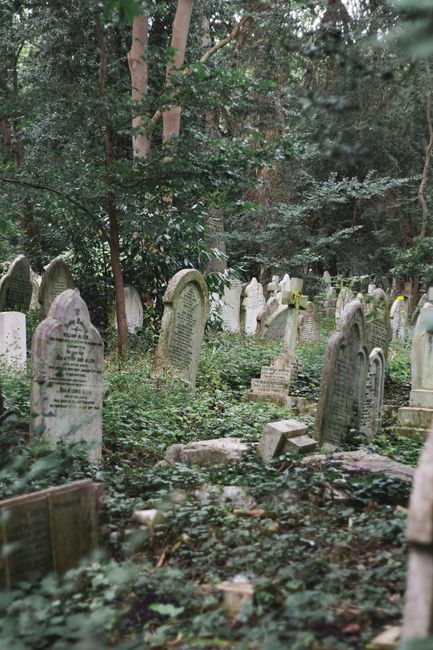
Highgate Cemetery has a quiet, almost timeless feel, but keeping its gardens and planted spaces looking cared for is anything but timeless work. It takes regular attention, local knowledge, and a steady hand. That is where Highgate Cemetery garden maintenance by local gardeners becomes genuinely valuable. The right team understands seasonal growth, shaded corners, fragile planting, boundary hedges, weed pressure, and the kind of subtle neatness that preserves dignity rather than overworking the space.
In practice, cemetery garden care is about more than making things look tidy. It is about sensitivity, continuity, safety, and making sure every area feels respected. Some jobs are simple and regular; others need judgment, especially when mature planting, stonework, slopes, or awkward access are involved. This guide breaks down how local gardeners approach the work, what good maintenance looks like, and how to choose the right support without guesswork. If you want a broader look at ongoing upkeep, you may also find the main garden maintenance service page useful alongside this article.
Why Highgate Cemetery garden maintenance by local gardeners Matters
Highgate Cemetery is not a standard private garden, and that is exactly why maintenance matters so much. The planting often sits in partial shade, tree cover can be heavy, and the site's historic atmosphere means neatness has to be balanced with restraint. You do not want the place to feel "managed" in a harsh way. You want it to feel calm, coherent, and looked after. That takes gardeners who understand the difference.
Local gardeners bring practical familiarity with the way London weather behaves in real life. One week it is damp and cool, then suddenly there is a burst of growth and the paths need clearing before things get messy. Autumn leaf fall can smother ground cover. Winter can expose bare patches and make borders look tired. Spring, if you blink, brings weeds, moss, and vigorous hedge growth. Honestly, the pace never really stops.
There is also the matter of respect. Cemetery gardens carry emotional weight. People visit for remembrance, reflection, and stillness. Maintenance has to support that mood, not interrupt it. A local team is often better placed to work discreetly, schedule visits sensibly, and keep the space tidy without creating unnecessary disturbance.
If the site has hedges, boundary planting, or climbing growth near walls, maintenance also helps protect structures and improve visibility. That matters for both appearance and safety. For a closer look at shaping and control, the article on hedge trimming in Highgate fits naturally with this kind of work.
How Highgate Cemetery garden maintenance by local gardeners Works
Good cemetery garden maintenance usually starts with a careful walk-through. A decent gardener does not rush in with a mower and hope for the best. They look at access points, planting condition, soil moisture, weed pressure, moss buildup, hedge shape, and any obvious risks around memorial features or older paths.
From there, the work is usually planned around frequency. Some areas need weekly or fortnightly attention during the growing season. Others can be managed less often, provided the tasks are the right ones: edging, selective pruning, deadheading, litter removal, weed control, leaf collection, and light shaping. It sounds simple, but consistency is everything.
The best local gardeners also work in layers. For example, they may start with debris clearance, then move to pruning and trimming, then finish with border definition and final tidying. That order matters. If you cut and tidy in the wrong sequence, you often just create extra work. Small detail, big difference.
Many cemetery-adjacent gardens and memorial spaces also benefit from seasonal planning. Summer maintenance is about keeping growth balanced. Autumn is about leaf and seed head management. Winter usually calls for structural work, risk reduction, and protection from weather. Spring is when the whole site can suddenly look alive again, which is lovely, but also slightly chaotic if you have ignored it for too long. We have all seen that happen.
For gardeners working near heavy shade or moisture, it can help to use the right planting approach rather than just fighting the conditions. Articles like ground cover planting ideas and weed control tips are useful supporting reads if you want a more resilient long-term result.
Key Benefits and Practical Advantages
There are several real advantages to using local gardeners for cemetery garden maintenance, and not all of them are obvious at first glance.
- Better seasonal timing: Local teams know when growth peaks, when moss becomes stubborn, and when a site will need a little extra attention after wet spells.
- More sensitive work: Cemetery spaces require a gentler touch than a typical ornamental garden. Local gardeners are more likely to understand that nuance.
- Faster response: When weather turns quickly or a section needs urgent tidying, a nearby gardener can often respond more efficiently.
- Consistent presentation: Regular visits stop the garden from swinging between overgrown and overdone. That steady middle ground is the sweet spot.
- Practical problem-solving: Slippery paths, invasive ivy, hedge spread, and poor drainage are much easier to manage when someone has seen the same issues repeatedly in local conditions.
There is also a quieter benefit: peace of mind. If you are responsible for a family memorial area or a section of planting with personal meaning, you want to know it will be handled carefully. Not fussed over, not neglected, just looked after properly. That's the aim.
When maintenance includes hedges, borders, and privacy planting, the right choices can improve the whole feel of the site. For ideas on controlled, tidy growth, see technique-led hedge shaping and quick-growing hedge options.
Who This Is For and When It Makes Sense
This kind of service is not only for large cemetery grounds. It can make sense for several different situations.
- Families maintaining a memorial plot that needs regular care but not heavy redesign.
- Property managers or trustees responsible for nearby planting, entrances, or boundary areas.
- People caring for older, shaded gardens close to the cemetery landscape where roots, leaf litter, and moisture create ongoing maintenance needs.
- Anyone who wants dignity and order without the feeling that the space has been aggressively altered.
It also makes sense if you are short on time. Let's face it, most people are. A space like this can go from calm to a bit untidy very quickly, especially in wet weather or after a windy spell. If you only have time for occasional visits, local gardeners can bridge the gap and keep everything respectable between your own check-ins.
There are moments when a simple tidy-up is enough, and other times when the site needs a broader refresh. If growth has gotten away from you, the piece on starting a garden makeover offers a useful way to think about the first steps, even for smaller spaces.
Step-by-Step Guidance
If you are planning Highgate Cemetery garden maintenance by local gardeners, the process is usually easier when you break it into practical stages.
- Assess the space carefully. Note which areas are overgrown, where weeds are spreading, whether hedges need cutting, and whether there are access issues or fragile features nearby.
- Identify the maintenance priorities. Decide what matters most first: path clearance, border tidying, pruning, lawn care, ivy control, or seasonal leaf collection.
- Choose the right service mix. A cemetery-style garden often benefits from a combination of light pruning, weeding, hedge trimming, and surface cleaning rather than one-off heavy work.
- Set a sensible schedule. Regular but measured visits usually outperform sporadic "big clear-outs." They keep the space stable and less stressful to manage.
- Use the right method for each task. For example, ivy needs a different approach from soft border weeds, and hedges should be trimmed according to shape and growth habit.
- Review after each visit. A quick visual check helps catch recurring issues early. That might be reappearing weeds, leaf accumulation, or a boundary plant that needs light reshaping.
If your space includes lawns or a grassed section, it helps to link maintenance with mowing and care rather than treating them separately. The site's lawn mowing and lawn care pages are relevant if you want to compare service depth. For hard surfaces that need a cleaner finish, patio cleaning can also be part of a broader maintenance plan.
Expert Tips for Better Results
The difference between average maintenance and really good maintenance is often in the small things. A few sensible habits go a long way.
- Work with the site, not against it. In shaded cemetery gardens, moss, damp, and slow-drying soil are normal. Pick maintenance methods that respect those conditions.
- Keep edges crisp. Clean edges make even a modest planting scheme feel composed. It is one of those quiet improvements people notice without realising why.
- Prioritise access and visibility. Paths, entrances, and key viewing points should stay clear. Nobody likes squeezing past a bramble patch in drizzle.
- Choose restrained pruning over heavy cuts. Overcutting can leave a memorial area looking sparse or harsh. Gentle shaping usually works better.
- Think in seasons. A space maintained well in March may still need different attention by October. That is normal, not a failure.
One small but useful observation: plants around older stonework often tell you what they need if you look closely. Pale leaves, leaning stems, and compacted soil usually mean the space wants a little more airflow, better feeding, or just less competition from weeds. Simple, but easy to miss when you are in a hurry.
If your maintenance plan includes flowers, herbs, or ornamentals in smaller sections, the guides on herb garden essentials and orchid care can give you ideas for lighter-touch planting. For a more calming design direction, zen garden ideas may also be surprisingly relevant.
Common Mistakes to Avoid
People often make the same few errors when managing sensitive garden spaces. The good news? They are easy enough to avoid once you know what to look for.
- Cutting too hard, too fast. Heavy pruning can leave the space looking stripped and can stress mature planting.
- Ignoring ivy until it becomes dominant. Ivy is persistent. Once it settles in, it can creep into awkward places and become a bigger job than it needed to be. If that sounds familiar, the article on winning tips against ivy is worth a look.
- Letting leaf litter build up. In damp conditions, leaves quickly become slippery, messy, and a habitat for weeds.
- Using one approach for every area. A path, a hedge, a border, and a memorial planting bed all need different handling.
- Overlooking weather exposure. Wind, rain, and sudden cold can change how a site behaves. A garden that looks fine on a calm day may need protection after a rough one.
The winter months can be especially deceptive. Things look dormant, but underneath, roots, moisture, and frost are all doing their thing. That is why winter garden defence matters more than people think. Not glamorous. Very useful.
Tools, Resources and Recommendations
You do not need a huge arsenal to maintain a cemetery garden well, but you do need the right tools for careful work. A thoughtful toolkit usually includes pruning shears, secateurs, a hand fork, a lightweight rake, a broom for hard surfaces, gloves, and something for collection and removal of debris. For larger or more complex sites, edging tools, hedge trimmers, and mower equipment may come into play too.
The article on indispensable gardening tools is a solid reference if you want a better feel for what professionals rely on. For weed issues specifically, weed control mastery is a practical companion piece.
Resources matter as much as tools. A clear maintenance log helps you track when a hedge was cut, when borders were weeded, and what needed extra attention after heavy rain. That sort of record can feel boring in the moment, but it saves confusion later. Truth be told, it also stops people from saying, "Didn't we do that already?" which is a very human question.
Depending on the layout, you may also need complementary services. Some spaces benefit from landscaping support, especially where the overall structure needs a tidy reset. Others may need tree surgery if mature trees are creating too much shade, shedding too heavily, or affecting nearby planting.
Law, Compliance, Standards, or Best Practice
For cemetery and memorial garden work, the biggest issue is often not a single rule but a cluster of good-practice expectations. You want safe working methods, respectful conduct, careful handling of waste, and attention to any site-specific restrictions. If work is being carried out around historic areas or memorial features, the standard should always be more cautious, not less.
In the UK, professional gardeners are generally expected to follow sensible health and safety practices, use equipment properly, and work in a way that avoids avoidable damage. That means checking conditions before using machinery, managing trip hazards, keeping tools secure, and being careful around visitors if the space is accessible during maintenance.
It is also wise to think about insurance and accountability. Even routine garden work can involve moving equipment, working at height for hedge trimming, or handling slippery ground. A reliable provider should be able to talk plainly about safety and process. If you want to understand how that side is handled, the pages on insurance and safety, health and safety policy, and terms and conditions are useful points of reference.
Best practice also includes clear communication. If you are commissioning work, you should know what is included, what is not, and how the garden will be left after the visit. No mystery invoices, no vague promises. That part matters more than people admit.
For pricing clarity and expectations, the pricing and quotes page is a sensible next stop, especially if you are comparing routine maintenance against one-off clean-ups.
Options, Methods, or Comparison Table
Not every garden needs the same maintenance style. Here is a simple comparison that helps show what tends to work best in and around a Highgate cemetery setting.
| Method | Best for | Strengths | Watch-outs |
|---|---|---|---|
| Regular light maintenance | Memorial plots, small borders, tidy entrances | Preserves order, prevents big build-ups, feels respectful | Needs consistency |
| Seasonal reset | Spaces that have been neglected or hit by weather | Creates a clear improvement quickly | Can feel disruptive if overdone |
| Specialist intervention | Ivy, mature hedges, tree-related issues, access problems | Solves tougher problems properly | May need more planning and cost |
| Full garden maintenance plan | Ongoing care across multiple areas | Best balance of appearance, control, and continuity | Requires clear scope and scheduling |
For many people, the best answer is not one method but a blend of two. A light regular schedule, plus occasional specialist work, usually gives the cleanest and least stressful result.
Case Study or Real-World Example
Here is a realistic example from the sort of work local gardeners often handle. A small memorial garden near a shaded cemetery boundary had become patchy after a wet winter. Ivy was creeping up one side, the hedge line had gone uneven, and leaf litter had started to collect in the corners. Nothing dramatic, just enough to make the space feel a little forgotten.
The first visit focused on clearance: leaves, dead material, and surface debris were removed carefully. Next came selective ivy reduction, light hedge shaping, and edging around the border so the planting looked defined again. After that, the gardeners checked where the soil stayed damp longest and adjusted the maintenance plan so those areas would not keep slipping back into mess. No miracles. Just calm, steady improvement.
What made the difference was not a single big task. It was the sequence. The space became easier to look after because the underlying issues were dealt with in the right order. That is usually how good local maintenance works. Quietly. Properly. Not flashy at all, but the result speaks for itself.
If a space like that also has a sitting area or a decorative border, a little inspiration can help. The guides on garden seating areas and interactive outdoor spaces show how even practical areas can feel more thoughtful, though obviously a cemetery setting calls for much more restraint.
Practical Checklist
Use this checklist if you are reviewing a site or planning work with local gardeners.
- Check which areas need the most urgent attention.
- Note any fragile memorial features, edging, or stonework.
- Identify hedge, ivy, and weed pressure.
- Look for drainage problems, moss, or standing water.
- Confirm access points and safe working space.
- Decide whether mowing, pruning, cleaning, or tree work is needed.
- Set a maintenance frequency that matches the season.
- Ask how waste will be cleared and disposed of.
- Review safety and insurance information before work begins.
- Revisit the site after the first round of maintenance to see what still needs attention.
Expert summary: the best cemetery garden maintenance is regular, respectful, and measured. Keep the site tidy, protect the character of the space, and deal with problems before they become bigger than they should be. Simple. Not easy, but simple.
If you are ready to explore support for a site that needs careful ongoing attention, the most direct next step is to speak with a local team that understands the area, the pace of the work, and the level of discretion required. You can also learn more about the wider business on the about us page and get in touch through the contact page when you are ready.
Conclusion
Highgate Cemetery garden maintenance by local gardeners is really about care with judgement. Not every garden can be treated the same way, and not every site should be. A cemetery setting asks for tidy, discreet, well-timed work that protects both appearance and atmosphere. When local gardeners handle that balance well, the whole place feels calmer and more dignified.
Whether you need regular upkeep, a seasonal refresh, or help with a stubborn issue like ivy or hedges, the key is consistency and sensitivity. That combination does the heavy lifting. Everything else follows from there, usually more smoothly than people expect.
Get a free quote today and see how much you can save.
And if you are standing at the edge of an overgrown patch wondering where on earth to start, start small. That's often enough to get the whole thing moving again.
Frequently Asked Questions
What does Highgate Cemetery garden maintenance by local gardeners usually include?
It often includes light pruning, hedge trimming, weed removal, leaf clearance, edging, debris removal, and careful upkeep of planted areas. The exact mix depends on the site and the season.
How often should cemetery garden maintenance be carried out?
That depends on growth levels, shade, and weather exposure. Many spaces benefit from regular visits during the growing season and lighter checks through autumn and winter.
Why choose local gardeners rather than a general garden team?
Local gardeners usually understand the area's conditions better, from shade and moisture to seasonal growth patterns. They can also respond more quickly when the site needs attention.
Can gardeners work around memorial features and older stonework?
Yes, provided they work carefully and respectfully. Sensitive areas should be approached with hand tools and a light touch rather than heavy equipment wherever possible.
Is ivy removal part of this kind of maintenance?
It can be. Ivy is a common issue in older or shaded spaces, and it often needs controlled removal before it affects planting, walls, or access routes.
What is the best time of year for major maintenance work?
There is no single perfect time, but spring and autumn are often useful for bigger tidy-ups. Summer usually focuses on keeping growth in check, while winter is better for structural care and protection.
Do I need lawn care as well as general maintenance?
If the site has grassed areas, then yes, lawn care and mowing can be part of the plan. Lawns tend to need separate attention from beds and borders, especially in damp or shaded places.
How do I know if a site needs landscaping rather than simple maintenance?
If the layout is poor, drainage is failing, or the planting structure no longer works, maintenance alone may not be enough. In that case, a small landscaping intervention can sometimes make future care much easier.
What should I ask before booking garden maintenance?
Ask what tasks are included, how often visits are recommended, how waste is removed, and whether the provider is insured. It is also worth asking how they handle delicate or historic features.
Is this type of garden maintenance expensive?
Costs vary depending on the size of the site, the condition of the planting, and whether specialist work is needed. The most accurate way to judge value is to compare the scope of work, not just the headline price.
Can maintenance be arranged as a one-off job?
Yes, one-off work is often used for seasonal clearances, overgrowth, or a refresh after neglect. Still, regular upkeep usually keeps the space in better condition and avoids bigger jobs later on.
How can I prepare a site before the gardeners arrive?
Walk the area, note any fragile features, and flag anything unusual such as buried fixtures, access limits, or plants you want preserved. A little preparation saves time and avoids awkward surprises.